
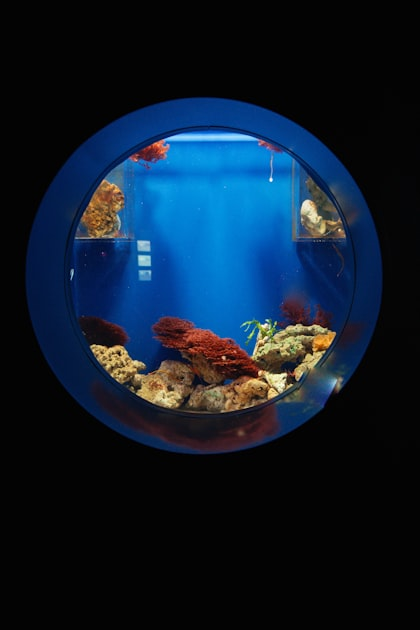
So you’ve got your tank set up, it’s cycled, and you’re ready to add fish. Now what? This guide covers everything a beginner needs to know about actually caring for their fish day to day — feeding, water quality, spotting illness early, and keeping your fish happy for years to come.
Step 1: Choose the Right Fish for Beginners
Not all fish are created equal when it comes to beginner friendliness. Some species are hardy, adaptable, and forgiving of the occasional mistake. Others are sensitive, aggressive, or need very specific water conditions. Start with proven beginner species and you’ll have a much better experience.
Best beginner freshwater fish:
- Guppies — colorful, hardy, great community fish
- Platies — peaceful, easy to care for, very adaptable
- Zebra Danios — active, tough, tolerate a wide range of temperatures
- Corydoras Catfish — peaceful bottom dwellers, help clean up leftover food
- Neon Tetras — iconic, schooling fish that look stunning in groups
- Betta Fish — beautiful and easy to care for, but must be kept alone or carefully chosen tankmates
Always research each fish before buying. Check its adult size, temperature requirements, temperament, and minimum tank size.
Step 2: Acclimate New Fish Properly
Never dump fish straight from the bag into your tank. The water in the bag has different temperature and chemistry than your tank — a sudden change stresses or kills fish. Always acclimate them first.
Simple acclimation method:
- Float the sealed bag in your tank for 15 minutes to equalize temperature
- Open the bag and add a small cup of your tank water every 5 minutes for 20-30 minutes
- Use a net to transfer the fish into the tank — don’t pour the bag water in
- Turn the lights off for a few hours to reduce stress
Step 3: Feed Your Fish Correctly
Feeding seems simple but overfeeding is one of the most common mistakes beginners make. Uneaten food rots and spikes ammonia — one of the fastest ways to foul your water and stress your fish.
Feeding rules to live by:
- Feed only what fish can eat in 2 minutes, once or twice a day
- Remove any uneaten food after feeding
- Fast your fish one day a week — it’s healthy and helps prevent constipation
- Vary their diet occasionally with frozen or freeze-dried treats like bloodworms or brine shrimp
Why we recommend TetraMin Tropical Flakes:
- Nutritionally balanced for most community freshwater fish
- Highly digestible — produces less waste than cheaper foods
- Easy to portion — a little goes a long way
- One of the most trusted fish foods in the hobby
Step 4: Monitor Your Water Quality
Fish live in their own waste. The only thing standing between them and toxic water is your filter and your maintenance routine. Test your water weekly for the first few months — you’re looking for ammonia at zero, nitrite at zero, nitrate below 20 ppm, and pH stable in your fish’s preferred range.
Why we recommend the API Freshwater Master Test Kit:
- Tests all four critical parameters: pH, ammonia, nitrite, nitrate
- Over 800 tests per kit — lasts for years
- Far more accurate than cheap test strips
- The gold standard liquid test kit in the hobby
Step 5: Do Regular Water Changes
Change 25% of your water every week. This is the single most important thing you can do for your fish. It dilutes nitrates, replenishes trace minerals, and gives your fish fresh, clean water. Always treat tap water with a dechlorinator before adding it.
Why we recommend Seachem Prime:
- Instantly neutralizes chlorine and chloramines in tap water
- Also detoxifies ammonia and nitrite in emergencies
- Highly concentrated and long-lasting
- The most trusted water conditioner in freshwater fishkeeping
Step 6: Spot Signs of Stress and Illness Early
Fish can’t tell you when something is wrong, but they show it. The earlier you catch a problem, the easier it is to fix. Make it a habit to observe your fish for a few minutes every day — you’ll quickly learn what “normal” looks like for your tank.
Warning signs to watch for:
- Gasping at the surface — low oxygen, ammonia spike, or gill issues
- Clamped fins — stress, illness, or poor water quality
- Hiding more than usual — stress, being bullied, or illness
- White spots (Ich) — a common and treatable parasite that looks like salt grains
- Bloating or pinecone scales — can indicate dropsy, a serious internal infection
- Loss of color — often a sign of stress or illness
- Erratic swimming — swim bladder issues or water quality problems
If you notice any of these, test your water immediately. In most cases, a water change is your first and best response while you investigate further.
Step 7: Keep the Tank Environment Right
Fish are cold-blooded — their body temperature matches their water. Temperature swings and extremes stress them out just as much as poor water quality. Keep your water consistently in the right temperature range for your fish (usually 75-80°F for tropical species) and make sure your heater is reliable.
Why we recommend the Aqueon Pro Adjustable Heater:
- Holds temperature rock-steady without wild fluctuations
- Shatterproof construction — safer than glass heaters
- Auto shut-off if it runs dry
- Available in multiple wattages for any tank size
Also add hiding spots — rocks, driftwood, caves, or plants. Fish that have places to hide feel more secure and show better colors and behavior. A stressed fish in an empty tank is a sick fish waiting to happen.
Quick Fish Care Reference
- Feed: 2 minutes worth, 1-2x daily
- Test water: Weekly for first 2 months, then every 2 weeks
- Water change: 25% weekly
- Watch for: Changes in behavior, appetite, or appearance
- Temperature: 75-80°F for most tropical fish
- Ammonia/Nitrite: Always zero
- Nitrate: Below 20 ppm
Final Thoughts
Fish care boils down to three things: clean water, the right food, and a stable environment. Get those right and most beginner fish will thrive. The more you observe your tank, the more you’ll learn — and before long you’ll be the one giving advice to new fishkeepers.
Got a fish care question? Drop it in the comments — we love helping beginners get started right!
Ready to level up? Check out our Aquarium Maintenance Made Easy guide for a complete weekly and monthly routine.
Disclosure: This post contains affiliate links. As an Amazon Associate, ClearWater Tank earns from qualifying purchases at no extra cost to you.